

Managing pain effectively is a critical aspect of cancer care. It should be integrated into every treatment plan.
Key points about cancer pain
-
- Prevalence: Severe cancer pain is a common experience for many patients at some point during their illness
- Consequences of Untreated Pain:
- Emotional Impact: Untreated pain can lead to depression, anxiety, and
- Physical Limitations: Hinders physical functioning, reducing patient’s ability to perform daily activities.
- Social Isolation: Patients could withdraw from social interactions, affecting their relationships and support systems.
- Quality of Life: Persistent pain significantly lowers the overall quality of life.
-
The Importance of Pain Management
Addressing pain effectively not only improves a patient’s comfort but also enhances emotional well-being, physical capability, and social engagement.
Pain management should be seen as an essential component of cancer care, aimed at ensuring patients can lead a life with dignity and the best possible quality despite their condition.
Effective Approaches to Cancer Pain Management
Cancer pain can be complex and challenging to explain, but we recognize and empathize with the intense suffering it causes. Addressing this pain starts with a comprehensive assessment, ensuring that each patient’s experience is fully understood before developing a personalized treatment plan.
Key Steps in Treating Cancer Pain
Assessment of Pain
A thorough evaluation of the patient’s pain is conducted to understand its severity, type, and impact on daily life.
Pain Relief Options
Based on the assessment, a variety of treatment options are employed, including,
- Nerve Painkillers: Medications specifically aimed at treating neuropathic
- Narcotic Painkillers: Stronger medications for severe pain, such as opiods, which are carefully monitored to balance relief and safety.
- TENS(Transcutaneous Electrical Nerve Stimulation): A non-invasive technique using electrical pulses to manage pain.
- Injectable Painkillers: Delivering pain relief directly into the bloodstream or surrounding tissues for quick and effective action.
- Instant Pain Relievers: Fast-acting medications that provide immediate comfort in acute pain episodes.
Emotional and Psychological Support
- Coping Strategies: Techniques to help patients manage the emotional and psychological effects of pain.
- Counseling for Patients and Caregivers: Emotional and psychological support is crucial for both patients and their families, as they navigate the challenges of cancer pain.
Advanced Interventional Techniques
For patients with more persistent or severe pain, advanced interventions are considered, including
- Neurolytic Blocks: Destruction of specific nerve fibers to provide long-term pain relief.
- Nerve Ablation: Targeting and destroying nerves causing
- Nerve Blocks: Injections that block pain signals from specific
- External Infusion Devices: Devices that deliver medication directly to the pain site, offering targeted relief.
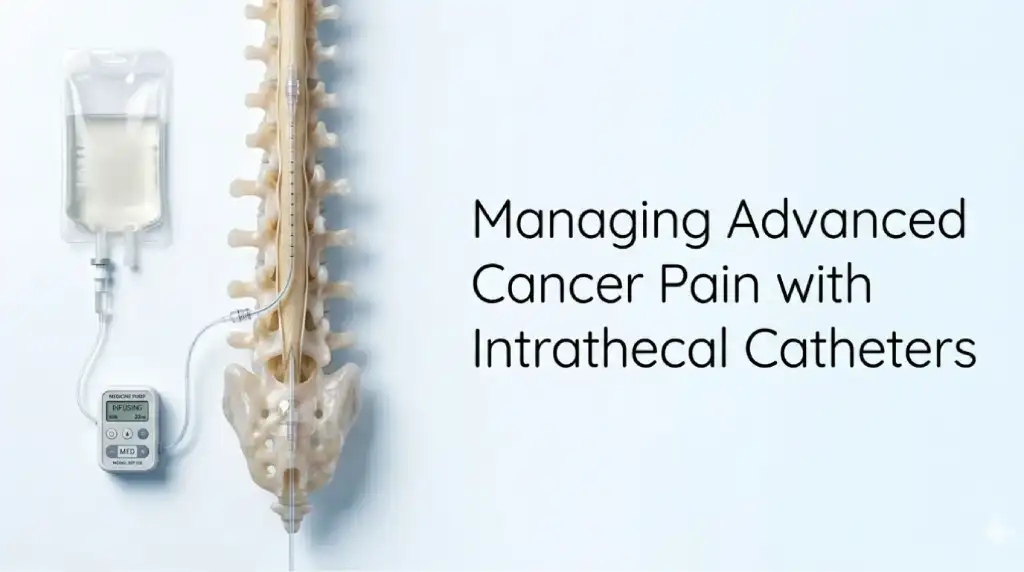
- Spinal Drug Delivery Systems: Direct administration of pain-relieving drugs into the spinal fluid for more effective and localized pain management.
- Spinal Cord Stimulation: A device implanted in the spine that helps to manage pain by sending electrical impulses to the spinal cord.
Comprehensive Care for a Better Quality of Life
The combination of pharmacological treatments, interventional techniques, and psychological support aims to not only control pain but also improve the patient’s overall well-being, allowing them to engage more fully in daily activities and maintain a better quality of life.