In India, the management of Low Back Pain (LBP) is undergoing a significant transition from a purely surgical or pharmacological approach to a multidisciplinary biopsychosocial model. Organizations like the Indian Society for the Study of Pain (ISSP) are leading this change by advocating for teams that integrate diverse medical and behavioral specialties.
1, The Multidisciplinary Team (MDT) Structure
A robust action group for LBP in India typically comprises the following core roles, each addressing a specific dimension of the pain experience :
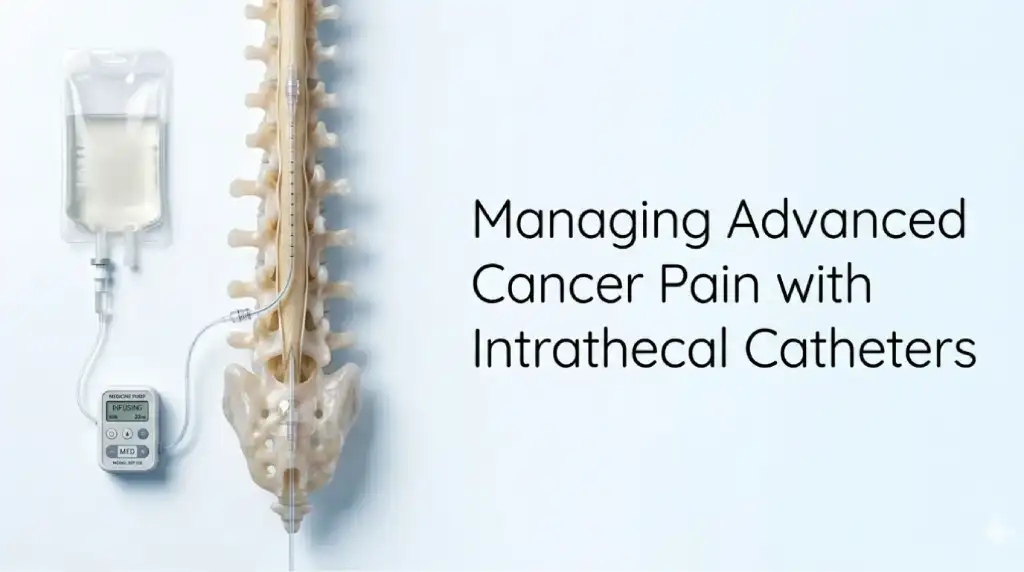
- Pain Physicians (Physiatrists/Anaesthesiologists):Often the coordinators, they manage interventional procedures (like epidural injections or RF ablation) and complex medication regimens.
- Orthopaedics & Neurosurgery:Essential for identifying “red flags” (fractures, tumors, or severe nerve compression) and performing surgery when conservative management fails.
- Neurology:Focuses on nerve conduction and neuropathic pain components, differentiating between mechanical back pain and neurological disorders.
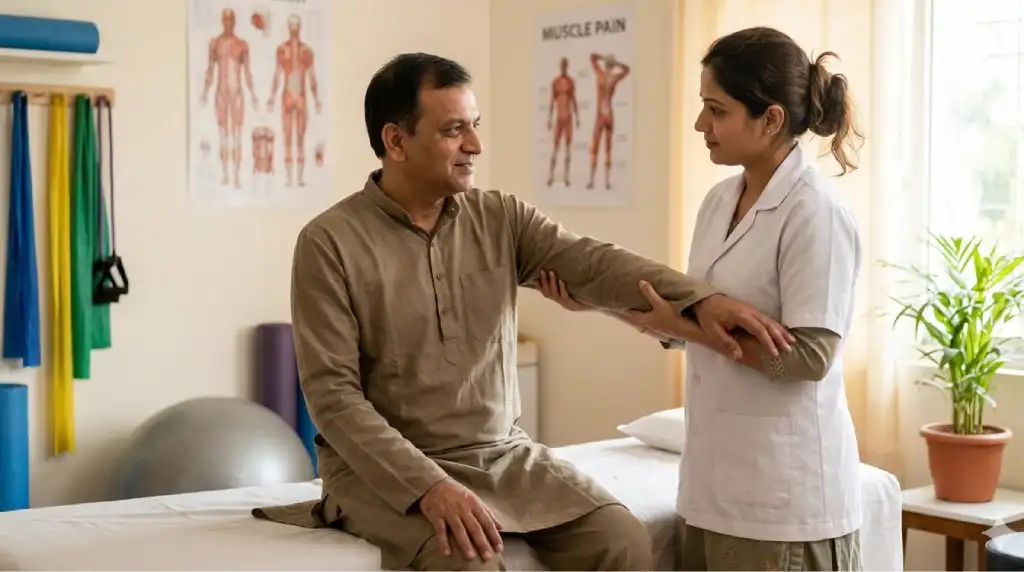
- Physiotherapists : The backbone of “functional restoration,” focusing on core stability, posture correction, and active exercise protocols.
- Psychologists : Address the “yellow flags” (psychosocial barriers) such as fear-avoidance behavior, depression, and catastrophizing, often using Cognitive Behavioral Therapy (CBT).
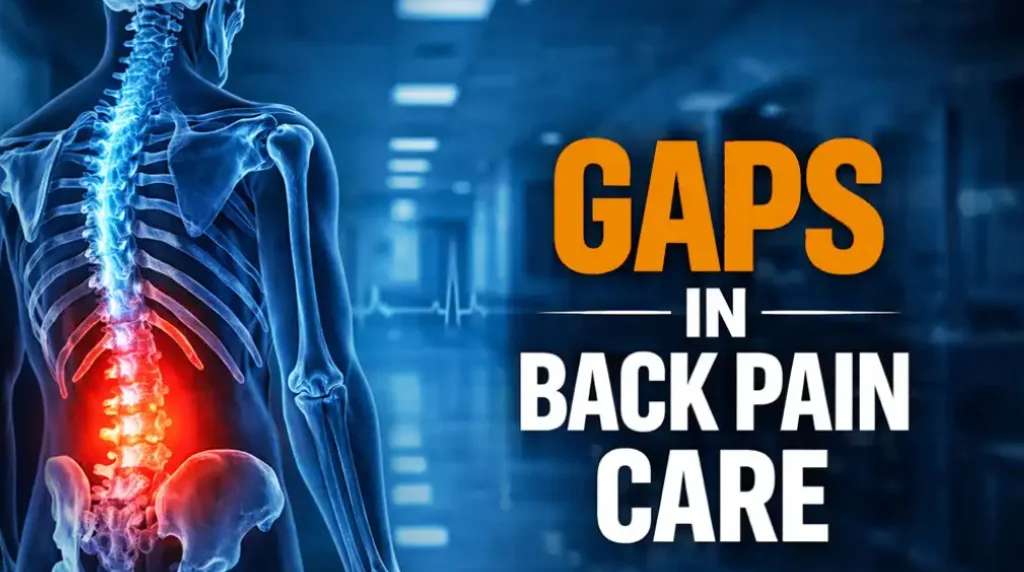
2, Current Gaps in Care in India
Despite the growth of specialized clinics (e.g., Max Healthcare’s Pain Services or Synapse Pain Clinic), several systemic gaps remain:
| Gap Category | Key Issues in India |
|---|---|
| Over-Medicalization | Huge reliance on MRI/CT scans (often unnecessary) and high use of NSAIDs/opioids without addressing underlying mechanisms. |
| Specialist Silos | Patients often shuttle between an Orthopedic and a Physiotherapist with no formal communication between the two, leading to conflicting advice. |
| Psychosocial Neglect | There is still a stigma or lack of awareness regarding the role of a psychologist in back pain; many patients feel offended if a psychological evaluation is suggested. |
| Economic Barriers | While surgery or injections might be covered by insurance/government schemes, long-term multidisciplinary rehabilitation often is not. |
| Rural-Urban Divide | Advanced MDTs are concentrated in Tier-1 cities (Delhi, Chennai, Mumbai), leaving rural populations with only basic primary care or traditional healers. |
3, Strategic Action & Initiatives
To bridge these gaps, Indian medical bodies are focusing on:
- Standardized Protocols:Moving away from “rest and pills” to “stay active” guidelines. Recent studies (2025-2026) show that adherence to clinical guidelines in India is still low (around 23-34%), highlighting a need for mandatory clinical reasoning documentation.
- Integrated Pain Clinics:Emerging centers now house all specialists under one roof to ensure a “one-stop” treatment plan.
- ISSP Education:The Indian Society for Study of Pain offers fellowships to train physicians specifically in the multidisciplinary approach, ensuring they can lead these complex teams.
Written by Dr. Vijay Bhaskar Bandikatla
Indo British Advanced Pain Clinics.